This article is general legal information for readers in the United States. It is not legal advice. Premises liability and personal injury rules vary by state, and deadlines can be short.
Yes, you may be able to sue a property owner or business for negligent security after an assault, robbery, shooting, or similar attack on someone else's property. These cases are usually framed as premises liability claims: the argument is not that the owner committed the crime, but that the owner failed to take reasonable safety steps when the risk of that kind of harm was foreseeable.
That distinction matters. A store, apartment complex, hotel, bar, parking garage, school, or event venue is not automatically responsible every time a criminal act happens there. A claim usually depends on what the owner or manager knew, what they should reasonably have anticipated, and whether better security would likely have reduced the risk of the attack.
What negligent security usually means
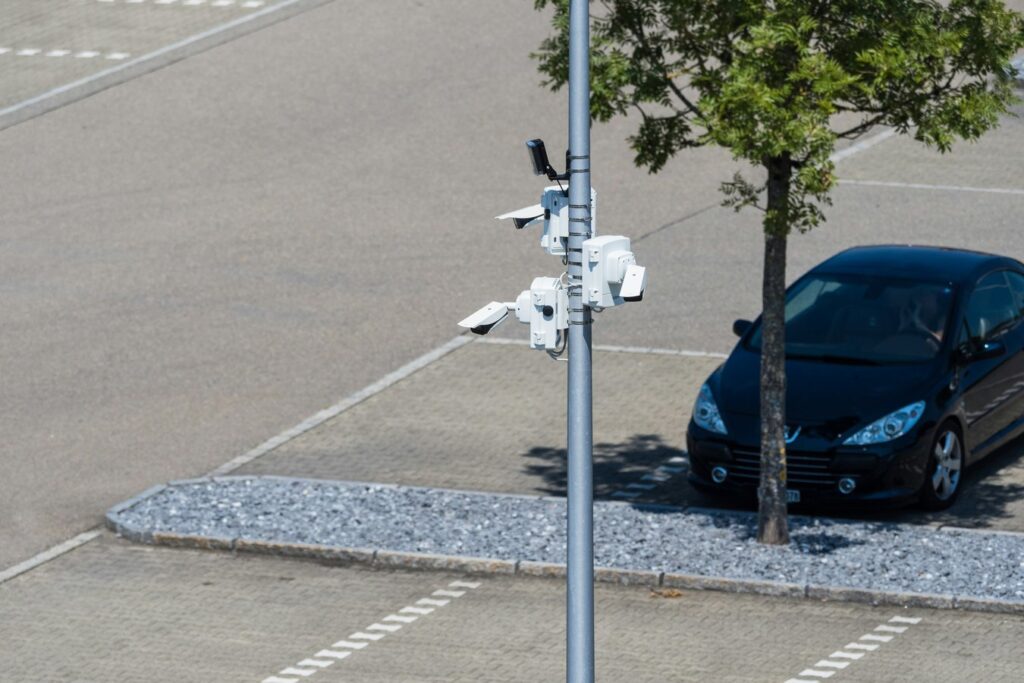
Negligent security is a branch of premises liability. It can involve allegations that a property owner, landlord, manager, or business failed to use reasonable measures such as lighting, working locks, controlled access, security patrols, cameras, trained staff, or timely responses to known danger.
Common examples include:
- an assault in a poorly lit parking lot after repeated prior incidents;
- a tenant attacked after a landlord ignored broken exterior locks or gates;
- a hotel guest injured after staff failed to respond to obvious security threats;
- a customer attacked at a store or bar where similar violence had recently occurred;
- a visitor harmed in a parking garage where cameras, lighting, or access controls were not maintained.
The legal theory is usually negligence. Cornell's Wex explains negligence in terms of a duty of care, breach, causation, and harm, with foreseeability often relevant to whether the defendant's conduct can legally be tied to the injury: Cornell Wex, negligence. Justia describes negligent or inadequate security as premises-liability cases where a property owner fails to take reasonable steps to prevent foreseeable criminal activity: Justia, negligent security and premises liability.
The key question: was the attack foreseeable?
Foreseeability is often the center of a negligent-security case. A victim generally needs more than the fact that something terrible happened. The question is whether the property owner knew, or reasonably should have known, that the type of crime was a real risk and then failed to respond reasonably.
Evidence of foreseeability may include:
- prior assaults, robberies, break-ins, shootings, or police calls at the same property;
- similar crimes in the immediate area, depending on the state's law;
- known security defects, such as broken gates, nonworking locks, dark stairwells, or ignored complaints;
- business conditions that create predictable risk, such as late-night cash handling, intoxicated crowds, or isolated parking areas;
- internal incident reports, tenant complaints, security logs, or surveillance records.
States do not all use the same test. Some courts focus heavily on prior similar crimes on the premises. Others consider a broader mix of surrounding circumstances. That is why a claim that looks strong in one state may be harder in another.
Who might be sued?
The defendant is often the person or entity with control over the property or the unsafe condition. Depending on the facts, that might include:
- the property owner;
- a commercial tenant operating the business;
- a landlord or apartment management company;
- a hotel, shopping center, nightclub, bar, school, parking operator, or event venue;
- a security contractor, if its own conduct contributed to the harm.
Control matters because premises-liability duties are tied to the relationship between the injured person and the person or business controlling the premises. Cornell's Wex notes that the law for invitees is typically based on state premises-liability rules and can vary by jurisdiction: Cornell Wex, invitee.
What you usually need to prove
A negligent-security lawsuit typically requires proof of several connected points:
- Duty: the defendant owed you a legal duty because you were lawfully on the property or otherwise protected under state premises rules.
- Breach: the defendant failed to use reasonable security measures under the circumstances.
- Causation: the security failure helped cause the harm, not merely that the attack happened at the location.
- Damages: you suffered injuries or losses, such as medical bills, lost wages, trauma-related treatment, pain and suffering, or property loss.
Causation is often disputed. A property owner may argue that the attacker alone caused the harm or that no reasonable security measure would have stopped it. Cornell's Wex describes proximate cause as a legally sufficient cause, not just any event in the chain: Cornell Wex, proximate cause.
What facts can make a claim stronger?
A claim is generally stronger when there is a pattern of known risk and a concrete security failure. For example, repeated robberies in the same parking lot, ignored tenant complaints about broken locks, or prior violent incidents at a nightclub may support an argument that further harm was foreseeable.
Useful evidence can include:
- police reports and incident numbers;
- 911 records, if available through the proper process;
- photos or video of lighting, locks, gates, doors, cameras, or sightlines;
- names and contact details for witnesses;
- medical records and bills;
- communications with management before or after the incident;
- prior complaints, reviews, or notices about unsafe conditions.
Video is especially time-sensitive. Surveillance footage may be overwritten quickly. A lawyer may send a preservation letter asking the property owner and any security vendor to keep video, incident reports, access logs, and maintenance records.
What facts can make a claim harder?
A negligent-security case may be difficult if the attack was highly sudden, unusual, or unrelated to any known property risk. It can also be harder if there were no prior similar incidents, the property had reasonable security in place, or the injured person was trespassing or violating clear safety rules.
That does not automatically end the analysis. State law controls, and the details matter. But a property owner is usually not treated as an insurer of everyone's safety.
Does the criminal case control the civil lawsuit?
No. A criminal prosecution against the attacker is separate from a civil claim against the property owner. The criminal case focuses on punishment and public safety. A civil negligent-security case focuses on whether another party's unreasonable security failure contributed to your injuries.
You may have a civil claim even if the attacker is never found, never charged, or cannot pay damages. You may also have no viable civil claim against the property owner even if the attacker is convicted. The two tracks answer different legal questions.
Deadlines matter
Negligent-security claims are usually personal injury claims, so a statute of limitations applies. Cornell's Wex explains that statutes of limitations bar claims after a certain period and that the deadline varies by jurisdiction and claim type: Cornell Wex, statute of limitations.
Some cases have shorter notice rules, especially if a government entity owns or controls the property. Do not assume you have years to wait. The practical deadline for preserving evidence can be much shorter than the filing deadline.
What to do after an assault on someone else's property
- Get medical care and keep records of diagnosis, treatment, bills, and follow-up needs.
- Report the incident to police and ask for the report number.
- Notify the property owner or manager in writing, while keeping a copy.
- Take photos of lighting, entrances, locks, cameras, gates, stairwells, or other relevant conditions if you can do so safely.
- Save clothing, damaged property, receipts, messages, and witness information.
- Avoid broad recorded statements to insurers before you understand your rights.
- Speak with a personal injury lawyer in the state where the incident happened, especially if video evidence may disappear.
If you cannot afford legal help, USAGov lists legal-aid and lawyer-referral resources: USAGov, find legal aid. The Legal Services Corporation also maintains a tool for finding LSC-funded legal aid organizations by location: LSC, I need legal help.
Bottom line
You can sue for negligent security after an assault in the United States when the facts support a premises-liability theory: the property owner or responsible business knew or should have known about a foreseeable security risk, failed to take reasonable steps, and that failure contributed to your injury.
The strongest cases are fact-heavy. Prior incidents, broken security features, ignored warnings, poor lighting, missing video, and delayed responses can all matter. Because state law and deadlines vary, treat this as a prompt to gather evidence quickly and get jurisdiction-specific advice, not as a guarantee that a lawsuit will succeed.