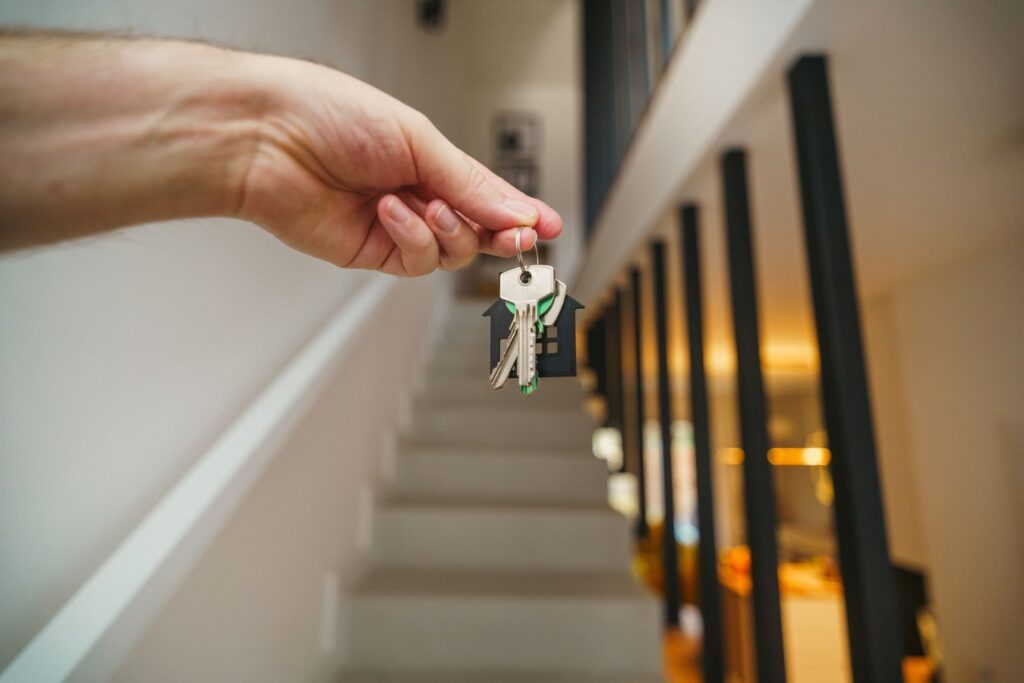
General information only, not legal advice. If your landlord changed the locks, removed your belongings, shut off utilities, or otherwise blocked you from your rental without a court process, you may be dealing with an illegal lockout. In much of the USA, landlords cannot use self-help to force a tenant out. But the remedy, the emergency process, and whether you can sue for money depend heavily on state and local law.
Quick answer
Yes, you may be able to sue a landlord for an illegal lockout, especially if you lost housing access, paid for a hotel, lost property, or suffered other documented losses. Some states also provide statutory penalties, attorney fees, or fast court procedures to restore possession. The first practical question is usually not only “can I sue?” but “how do I get back in safely and preserve proof?”
That distinction matters because a lockout is urgent. A damages lawsuit may take months. A housing court, justice court, or local emergency procedure may be the faster route if you need access to the home now.
What counts as a lockout?
A lockout usually means the landlord or someone acting for the landlord excludes the tenant from the rental without using the lawful eviction process. Common examples include changing locks, refusing to provide a new key, removing doors, blocking entry, shutting off utilities to force a move, or taking belongings out of the unit.
California’s Department of Justice tells tenants that it is illegal to try to evict a tenant by locking them out, shutting off utilities, or removing personal property; the lawful eviction path is a court case. New York City’s tenant guidance similarly warns that people cannot be pressured or forced out without a formal court process, and notes that some occupants without a written lease may still have lockout protections after living in the same place for 30 days.
The details vary. Some states have narrow rules that allow temporary lock changes for unpaid rent only if strict notice and re-entry requirements are met. Other places treat almost any landlord lockout outside court as unlawful. Do not assume the rule in one state applies in another.
Why a court order matters
Eviction is normally a legal process, not a private act by the landlord. The usual path involves notice, a filed eviction case, a court judgment, and enforcement by a sheriff, marshal, constable, or other authorised officer. A landlord who skips that process risks being ordered to restore possession and, in some jurisdictions, pay damages or penalties.
New York City Housing Court explains that someone who has been forcibly or unlawfully locked out without a court order may start an illegal lockout proceeding to be restored to possession. Washington LawHelp gives similar practical guidance for Washington tenants, explaining that landlords must use the court eviction process and cannot legally lock tenants out or shut off utilities to force them to leave.
That does not mean every access dispute is automatically a lockout claim. If a sheriff or marshal executed a valid writ after an eviction judgment, that is different. If the tenant abandoned the unit, surrendered keys, or the landlord temporarily changed a lock for repair while providing access, the analysis may change. The facts and paperwork matter.
State examples show why local law controls
Tenant lockout law is a patchwork. In California, the state attorney general points tenants to Civil Code section 789.3 and says a locked-out tenant should consult a lawyer about returning to the unit and getting damages. California law can allow actual damages and statutory amounts in some lockout or utility shutoff cases, but the claim still depends on proof and local procedure.
Texas is a useful caution because its rules are more specific than many renters expect. The Texas State Law Library’s lockout guide explains that Texas landlords may not simply exclude a tenant from a leased home, but the state has detailed rules around residential lockouts for nonpayment of rent, notices, key access, and a tenant’s potential writ of reentry. In other words, “my landlord changed the lock” is the beginning of the legal question, not the end.
Some cities add their own enforcement routes. New York City tells locked-out tenants to seek help quickly through 311 and the Tenant Helpline. Los Angeles and other cities publish local anti-lockout guidance. If your city has a rent board, housing department, or tenant protection office, that may be the fastest place to find the correct local process.
What you may be able to recover
Possible remedies can include being restored to the rental, a court order stopping further lockout conduct, actual damages, statutory penalties, attorney fees, and sometimes costs tied to temporary housing or damaged property. The exact list depends on state statutes, city ordinances, the lease, and whether the landlord acted intentionally.
Actual damages are the concrete losses you can prove. Examples might include hotel bills, replacement locks, spoiled food after a utility shutoff, storage costs, lost wages from dealing with the emergency, or damaged belongings. Emotional distress may be available in some cases, but it is harder to prove and should not be assumed.
Statutory penalties are different. Some jurisdictions set a fixed minimum, a per-day amount, or multiple damages for certain unlawful lockout conduct. Others focus more on restoring possession than awarding money. This is why reading your local statute or speaking with legal aid matters before valuing the claim.
Evidence that usually matters
A lockout case often turns on proof of possession, proof of exclusion, and proof of loss. Save the lease, rent receipts, payment confirmations, mail addressed to you, utility bills, texts with the landlord, photos of changed locks, notices taped to the door, hotel receipts, and police or housing-department incident numbers.
If the landlord claims you moved out voluntarily, evidence that your belongings were still inside can matter. If the landlord claims there was a court order, ask to see the case number, judgment, writ, and enforcement paperwork. If you receive any notice from a court, sheriff, marshal, constable, or process server, keep it and check the response deadline immediately.
Avoid escalating the situation at the door. Breaking in, damaging property, or confronting the landlord can create safety risks and may complicate your claim, even if the lockout itself was unlawful. Call local legal aid, a tenant hotline, housing court help centre, or, where appropriate, local law enforcement or 311-style services for jurisdiction-specific next steps.
Before you file a lawsuit
Many tenants need immediate restoration before they need a full damages lawsuit. Depending on the state, that may mean an emergency housing court filing, a writ of reentry, a tenant petition, a police report, a city housing complaint, or a legal aid referral. The right first step is local.
USAGov’s tenant-rights resources point renters toward state and local agencies, legal aid, and court self-help options. That is sensible here because national summaries cannot safely tell you which form to file, which court has jurisdiction, or whether your city has a faster emergency process.
If you have been locked out and your medicine, identification, work tools, children’s belongings, or pets are inside, say that clearly when seeking help. Urgency can affect how local services triage the situation.
What we do not know
We do not know your state or city, whether you had a written lease, whether a court case already exists, whether rent is current, whether the landlord claims abandonment, whether the property is covered by rent-control or tenant-protection ordinances, or whether a sheriff or marshal has already enforced a judgment. Those details can change the answer.
The safest general rule is this: treat a lockout as time-sensitive, preserve evidence, and get local tenant-law advice before deciding whether to sue for damages, file an emergency court petition, or take another route.
Bottom line
You may be able to sue a landlord for an illegal lockout in the USA, but the strongest first move is often a local emergency remedy to restore possession and document what happened. Once you are safe and the evidence is preserved, you can evaluate damages, penalties, and legal fees under your state and city rules.
Photo: Jakub Zerdzicki on Pexels.
Sources