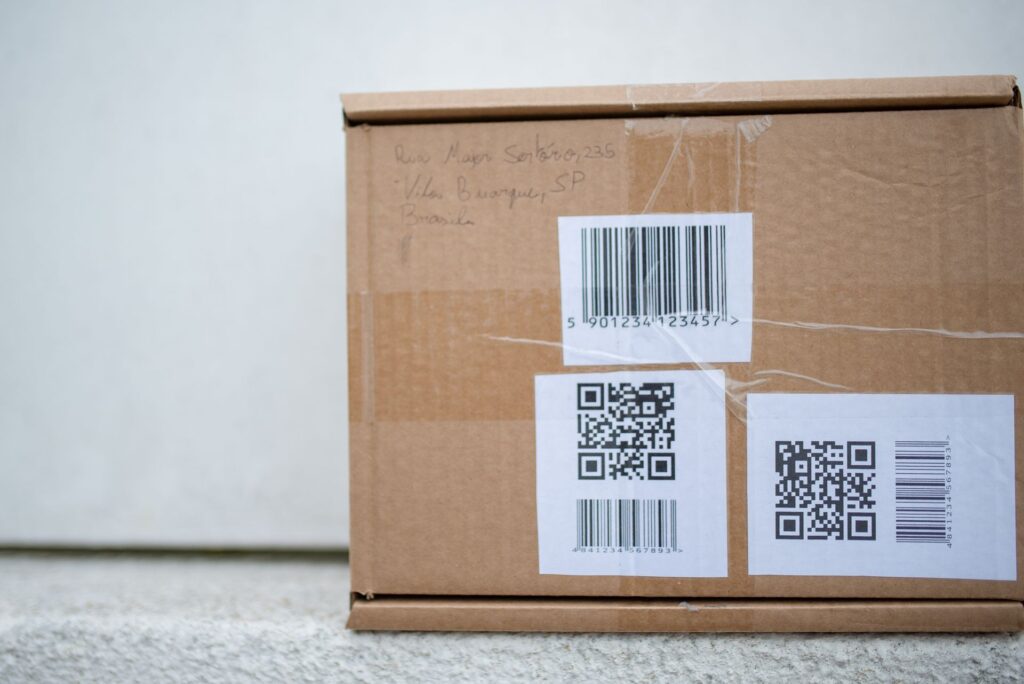
You paid for an online order. The promised shipping date has passed, the tracking page has barely changed, and the seller keeps saying “soon.” Can you sue? Possibly, under a claim available in your state. But a missed shipment does not automatically entitle every buyer to damages, and the federal shipping rule is not itself a promise of a private lawsuit.
This explainer covers United States purchases of merchandise ordered online, by mail or by telephone. It provides general legal information, not legal advice, and does not create an attorney-client relationship.
What does the federal shipping rule require?
The FTC’s Mail, Internet, or Telephone Order Merchandise Rule requires covered sellers to have a reasonable basis for their advertised shipping timeframe. With no clearly stated timeframe, the usual default is 30 days after receipt of a properly completed order. A special 50-day default applies when the buyer applies to the seller for credit at the time of ordering.
These are shipment rules. A parcel handed to a carrier on time but subsequently lost raises different questions from merchandise the retailer never shipped. A tracking label alone may leave the underlying facts unclear; the carrier’s acceptance history and the seller’s records can help establish what happened.
The rule does not cover every transaction. Services, seeds and growing plants, collect-on-delivery orders, and certain other transactions are excluded. The FTC business guide explains its scope and exceptions.
Can the seller keep extending the date?
A covered seller that cannot meet its shipping deadline must provide a timely delay notice offering a choice between waiting and cancellation with a refund. Simply describing an item as backordered does not remove these obligations.
Consent rules have detail. For an initial delay of no more than 30 days beyond the original shipping deadline, a compliant notice can treat silence as agreement. Longer, indefinite and renewed delays have different requirements. Silence is therefore neither always consent nor always cancellation. The actual notice and timeline matter; 16 C.F.R. § 435.2 sets out those distinctions.
For example, imagine a seller promised shipment on 1 November but later offered a revised date. Whether an unanswered email permits the seller to keep the order open depends on the new date, the notice’s wording and whether this is the first delay. This is an illustration, not a reported case.
Is store credit enough?
The FTC’s consumer guidance says that when a seller does not ship an order, the required refund cannot be replaced with only a gift card or store credit. Refund timing and mechanics depend on the payment arrangement and the rule’s requirements. A seller’s ordinary policy for returning delivered goods does not answer a dispute over an order that was never shipped.
What if payment was made by card?
A payment dispute is a separate route from suing the retailer. The FTC explains credit-card billing-error protections for goods not delivered as agreed. To preserve those protections, written notice generally must reach the issuer’s billing-inquiries address within 60 days after it sent the first statement showing the error. That address may differ from the payment address. A customer-service call alone may not preserve the statutory process.
Waiting through repeated seller promises can consume that window. Debit-card protections differ; the FTC recommends contacting the debit-card provider about available help. A chargeback or complaint does not guarantee recovery.
When might a lawsuit be available?
The FTC rule governs seller conduct and supports agency enforcement. A buyer considering an individual case needs a separate legal basis applicable to the transaction, potentially breach of contract or a state consumer-protection claim. Available remedies, required proof, deadlines, pre-suit notices and any enforceable arbitration terms require jurisdiction-specific review. A regulatory violation does not establish all the elements of a private claim.
Small claims procedure also varies. As one state-specific example, California Courts explains that a claimant generally must ask for the money before filing, with exceptions described in its guidance. That is not a nationwide procedural rule. The court’s location, authority over the seller and ability to enforce a judgment can matter as much as the amount paid.
Which records help explain the dispute?
- The product listing and shipping promise as displayed when the order was placed.
- The order confirmation, payment record and identity of the actual seller.
- Every delay notice, response, cancellation request and refund promise.
- Tracking history, including any carrier acceptance scan.
- Card statements and copies of any billing-error correspondence.
A clear timeline helps distinguish late shipment, carrier loss and refusal to refund. Complaints can be directed through USAGov’s consumer complaint resources; they serve a different purpose from an individual court claim. A lawyer licensed in the relevant state or a local legal-aid service can assess which rights and deadlines fit a particular purchase.
Legal information only: This article does not recommend filing a lawsuit or predict an outcome. Federal and state requirements, contract terms and individual facts can change the analysis. Sources checked on 28 October 2026.
Featured photograph: Kampus Production / Pexels, used under the Pexels licence. Illustrative image.