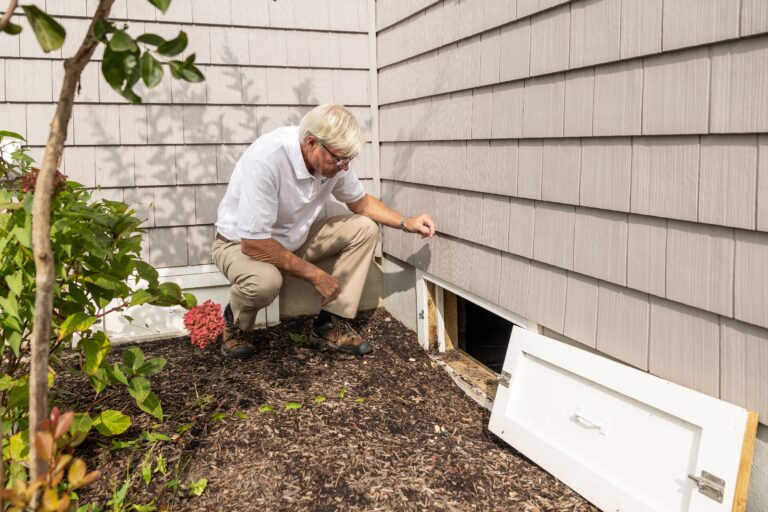
General information only, not legal advice. If a neighbour’s fence, driveway, shed, landscaping, or other improvement crosses onto your land, you may have a trespass, encroachment, boundary, or title dispute. Whether you can sue—and what a court can order—depends heavily on your state, the property records, the exact location of the boundary, and how long the condition has existed.
What counts as an encroachment?
An encroachment is a physical improvement or use that extends across a property line. Examples include a fence built over the boundary, a garage that crosses the line, paving that occupies part of your lot, or roots and branches causing legally significant damage. A fence’s appearance is not proof of the legal boundary. Deeds, recorded plats, surveys, and other title evidence matter more.
The American Bar Association notes that boundary disputes frequently involve surveys, easements, modest encroachments, and questions about the appropriate remedy. Start by identifying the legal description and the person or entity with authority to resolve the dispute.
Can you sue your neighbour?
Potential claims may include trespass, nuisance, declaratory relief, or an action to quiet title. A court might be asked to declare the boundary, order removal or relocation of an encroachment, prevent continued use, or award damages for proven loss. The correct claim and remedy vary by state. Some disputes are better resolved through a written agreement, mediation, or a recorded boundary-line agreement after a professional survey.
Do not assume that a small encroachment is legally irrelevant. A seemingly minor strip can affect a sale, mortgage, title insurance, access, drainage, or future construction. Conversely, do not assume that every boundary disagreement justifies immediate demolition or a lawsuit.
Could your neighbour claim the land?
In some circumstances, long-term use may support an adverse-possession claim, but the requirements are state-specific. Cornell’s Legal Information Institute describes adverse possession as a doctrine under which a trespasser in physical possession may acquire title if the legal requirements are met. Those requirements commonly concern the character, continuity, visibility, and duration of possession, but the details differ substantially between states.
A related theory, sometimes called a prescriptive easement, may concern a claimed right to use land—such as a driveway or path—without transferring ownership. A neighbour’s use does not automatically create either right, and permission can change the legal analysis. Get local advice before signing anything or giving informal permission.
What evidence should you gather?
- Obtain your deed, recorded plat, title documents, and any prior survey.
- Hire a licensed surveyor when the line is genuinely disputed; photographs and online maps are not substitutes for a boundary survey.
- Take dated photographs showing the improvement, landmarks, access, and any damage.
- Save messages, letters, permits, contractor records, and prior purchase or inspection documents.
- Check whether an easement, covenant, homeowners’ association rule, or local ordinance affects the property.
- Do not move a fence, enter a structure, cut down improvements, or threaten your neighbour without understanding the legal and safety consequences.
Do you have to send a demand letter?
There is no universal rule that a demand letter must come first, but a calm written notice can clarify the alleged line, preserve a record, and invite a survey or mediation. Keep the letter factual and avoid admitting that the neighbour owns or has permission to use the disputed strip. A demand letter may not stop a statute of limitations or any special filing deadline.
What can make a case difficult?
Boundary evidence may conflict. A deed may contain an old description, a survey may reveal a long-standing mistake, or both owners may have relied on a fence for years. State law may recognise doctrines such as acquiescence, boundary by agreement, estoppel, adverse possession, or prescriptive easement. Damages may also be limited where the encroachment caused no measurable loss. These are fact-sensitive issues for a property lawyer in the relevant state.
Bottom line
You may be able to sue a neighbour over a fence, driveway, building, or other encroachment, but the first practical step is usually to establish the boundary with reliable records and, when necessary, a licensed survey. The right defendant, claim, remedy, and deadline depend on state law and the property’s history. Consider a property lawyer or local legal-aid resource before filing, settling, or altering the disputed improvement.
What we do not know: your state, the recorded legal description, whether a survey exists, how long the improvement has been there, whether either owner gave permission, whether an easement applies, and whether a sale or construction deadline is approaching.
Sources
- Cornell Legal Information Institute: Adverse Possession
- Cornell Legal Information Institute: Prescription and Prescriptive Easements
- American Bar Association: Adverse Possession in Property Ownership Disputes
- American Bar Association: Real Estate Claims and Boundary/Survey Issues
Featured image: WordPress MCP media library, property boundary survey and fence.